

Depression and anxiety are often experienced by people who abuse opioids. Opioid abuse can cause the brain and body to become overly sensitive to pain. This often happens when someone is trying to cut back or quit using these medications. Opioids may also consist of street drugs, such as heroin or synthetic fentanyl.
What are opioids?

Some opiates are considered illegal altogether and have no accepted medical use. People struggling with addiction usually deny they have a problem and hesitate to seek treatment. An intervention presents a loved one with a structured opportunity to make changes before things get even worse and can motivate someone to seek or accept help.
Behavioral treatment
- Finally, it outlines how to find support for OUD and the side effects of the opioid crisis.
- One of the hallmarks of addiction is a person not being able to stop using a substance, despite any negative consequences or multiple attempts to stop and not being able to.
- Sometimes called the «opioid epidemic,» addiction to opioid prescription pain medicines has reached an alarming rate across the United States.
- Thus, many opioid-dependent patients will seek continued access to opioids, by legal or illegal means, to prevent withdrawal.
But they also stimulate the reward pathway in the brain, which can cause a feeling of well-being and happiness known as euphoria. This means that over time people who use opioids need to use higher doses or more potent opioids to get the same feel-good rewards. Helping the brain return to a state that isn’t dependent on opioids requires careful diagnosis and holistic treatment. Nearly 75% of all drug overdose deaths in the U.S. involved an opioid in 2020.
Crystal Meth Addiction & Its Impact on Your Health
- People sometimes use heroin to stop the pain from withdrawal and detox itself.
- If you thought the short-term effects were scary, buckle up buttercup, because the long-term effects of opioid addiction are downright terrifying.
- Sometimes opioid use disorder begins with legal drugs like painkillers that are prescribed after a surgery or some other injury.
- Other clinicians suggest that treatment should be lifelong due to the risk of relapse and overdose death after patients stop treatment.
Barbiturates, benzodiazepines and hypnotics are prescription central nervous system depressants. They’re often used and misused in search for a sense of relaxation or a desire to «switch off» or forget stress-related thoughts or feelings. Substituted cathinones, also called https://ecosoberhouse.com/ «bath salts,» are mind-altering (psychoactive) substances similar to amphetamines such as ecstasy (MDMA) and cocaine. Packages are often labeled as other products to avoid detection. Signs and symptoms of drug use or intoxication may vary, depending on the type of drug.

Psychological symptoms of opioid use disorder
The most damaging long-term side effect of opioid abuse is harm to the body’s vital organs. Individuals may also experience psychological issues, such opioid addiction treatment as trouble concentrating, anxiety, and depression. Enter your phone number below to receive a free and confidential call from a treatment provider.

Signs of Opioid Abuse
How opioid use disorder occurs
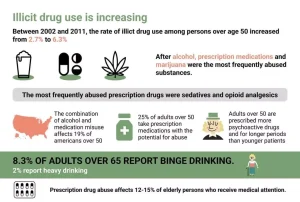
The Road to Recovery: A Journey Worth Taking
- Drug tolerance occurs when your body gets used to the effects of a drug over time.
- Medications and behavioral therapies can help people with OUD stop using opioids and support them in their recovery.
- They can help you reduce or prevent withdrawal symptoms by gradually lowering your dose over time until you no longer need the medicine.
- This psychological turmoil can be just as intense as what’s seen in kratom addiction, another substance that affects the opioid receptors.
- For others, particularly with opioids, drug addiction begins when they take prescribed medicines or receive them from others who have prescriptions.

0 comentarios